Get a FREE, No-Obligation quote
We’ll get back to you promptly with specialist advice — and a great price.
* Required

Talk to the specialists

0800 468 928

We’ll get back to you promptly with specialist advice — and a great price.
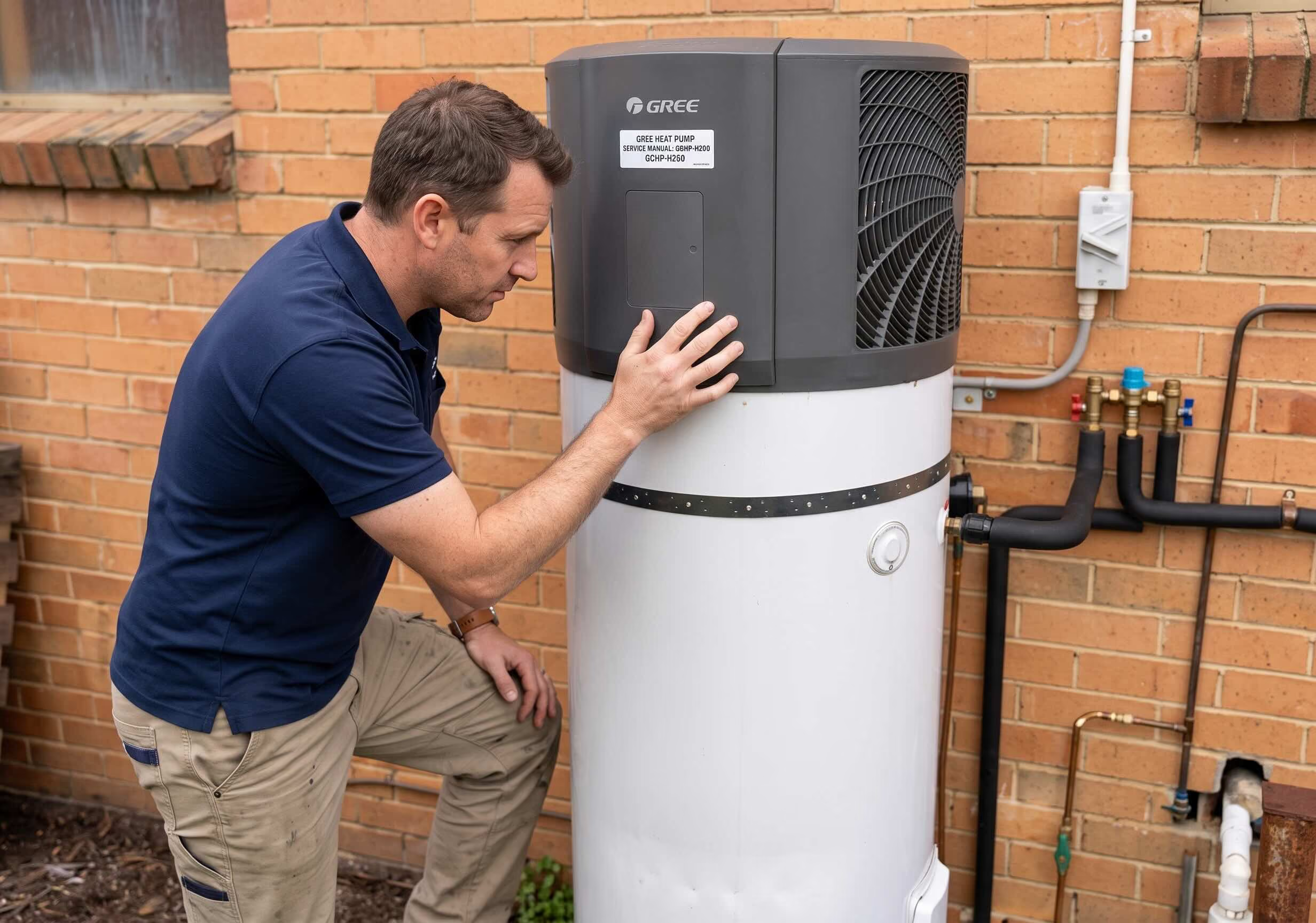
A hot water heat pump is one of the most efficient investments you can make for your home, cutting water heating costs by up to 70%. However, like any piece of high-performance machinery, it relies on regular upkeep to stay running quietly, reliably, and efficiently.
To keep your unit in top shape, we recommend a simple six-monthly DIY check, paired with an annual or bi-annual service by a qualified technician. Here is your step-by-step guide on how to complete the quick check yourself, and why calling in a professional for the next comprehensive service is crucial.
Performing these quick, simple tasks every six months takes less than 20 minutes and prevents small issues from turning into costly energy bills.
While a DIY check keeps airflow and basic drainage clear, a hot water heat pump consists of two distinct systems: an advanced refrigeration circuit and a high-pressure plumbing circuit.
Here is why it is essential to book a qualified technician for your comprehensive annual service:
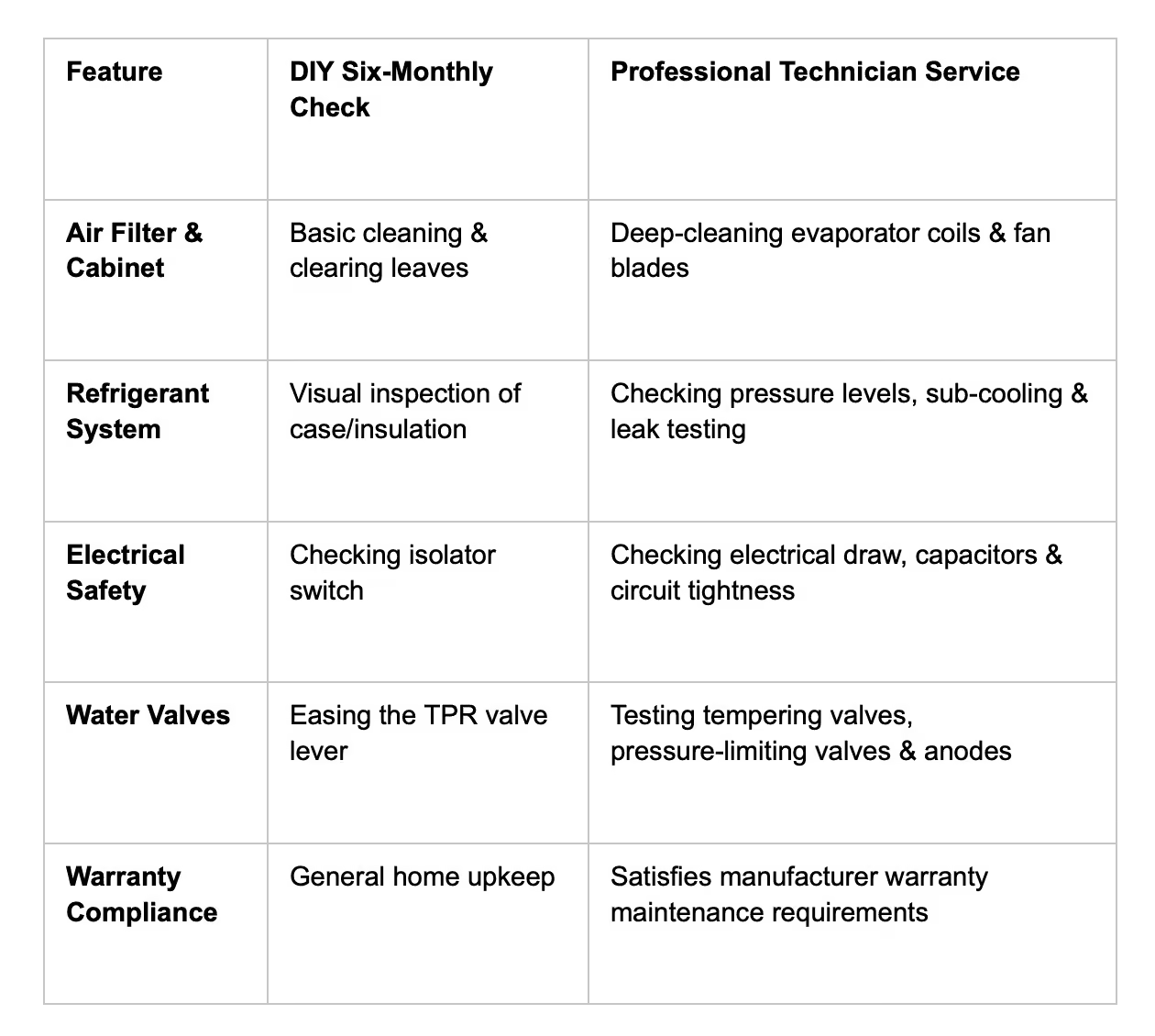
The sealed heat-exchange circuit uses specialist refrigerant gas under pressure. A qualified technician will test operating pressures, monitor superheat/sub-cooling performance, and check for micro-leaks that force the compressor to work harder, quietly driving up your power bills.
Heat pump compressors use start capacitors and high-voltage wiring. A certified pro uses specialised meters to test capacitor health, current draw under load, and wire connections that can loosen over time due to thermal expansion and vibration.
Inside glass-lined hot water cylinders, a sacrificial anode rod protects the tank from corrosion. A technician will inspect or replace this anode before rust attacks the steel tank wall. They also test key safety components like tempering valves (which prevent tap scalding) and expansion valves under actual system pressure.
By balancing basic DIY care with expert servicing, you'll extend the lifespan of your unit to 12+ years and ensure maximum energy savings month after month.
Need to book a technician or have a question about your system? Contact the team at Hot Water Shop anytime!