Get a FREE, No-Obligation quote
We’ll get back to you promptly with specialist advice — and a great price.
* Required

Talk to the specialists

0800 468 928

We’ll get back to you promptly with specialist advice — and a great price.
.avif)
If you own a hot water system, a silent guardian is working inside your cylinder that you likely never think about—until it’s too late. It’s called a sacrificial anode. To put it simply, this metal rod is designed to "sacrifice" itself to save your tank from the devastating effects of corrosion.
Think of it as a lightning rod for rust. Most hot water cylinders are made of a mix of steels and ceramics, which naturally want to corrode when in constant contact with water and minerals. An anode is a rod made of a more "active" metal—usually magnesium or aluminium. Through a process called electrolysis, the water’s corrosive elements attack the anode instead of the tank. The anode dissolves over time, keeping your cylinder walls intact.
Why You Must Keep an Eye on It
The most important thing to understand is that the anode is a consumable part. It is designed to be destroyed. Once that rod has completely dissolved, the electrolysis doesn't stop; it simply shifts its focus to the next available metal - your tank.
If you don't replace a depleted anode, you aren't just looking at a minor repair; you are looking at a catastrophic failure. Once the tank begins to rust from the inside out, it cannot be patched. You will be facing a full system replacement and potential water damage to your property.
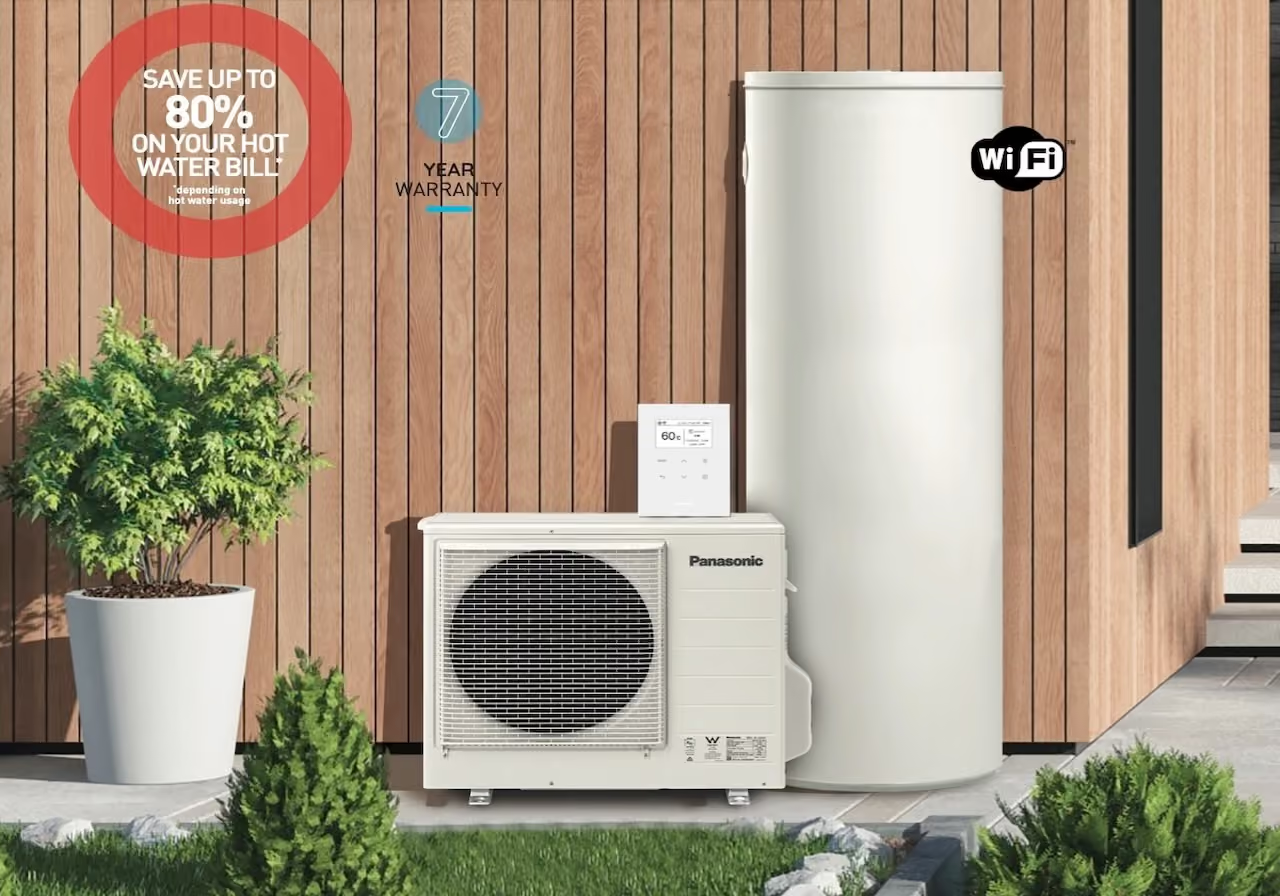
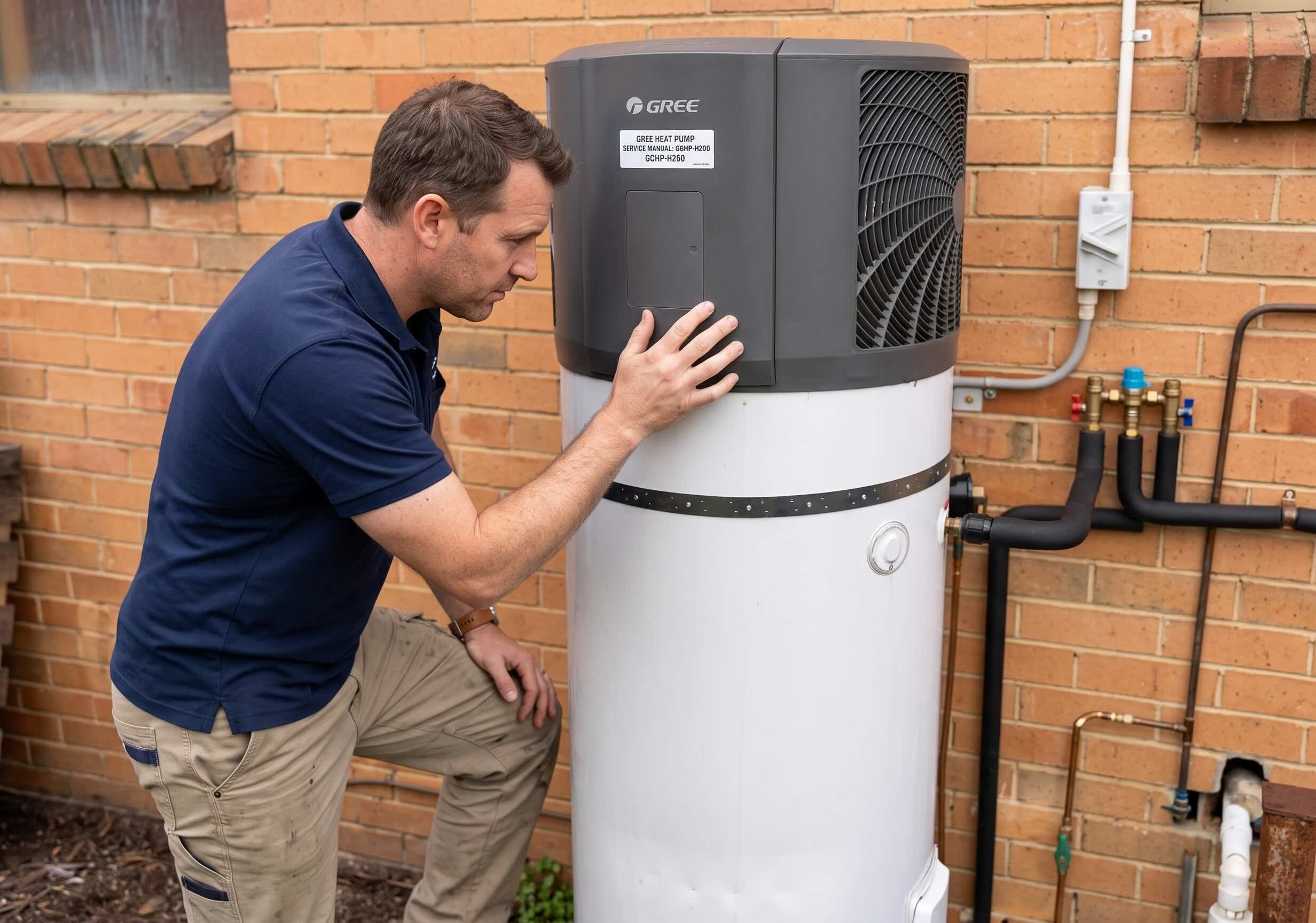
In modern energy-efficient homes, heat pump systems are the gold standard. However, because these systems represent a significant investment, protecting the tank is paramount. Heat pumps often use vitreous enamel-lined tanks. While durable, even a tiny microscopic crack in that lining can lead to a leak. Monitoring the anode ensures these high-tech units reach their full 15-to-20-year lifespan.
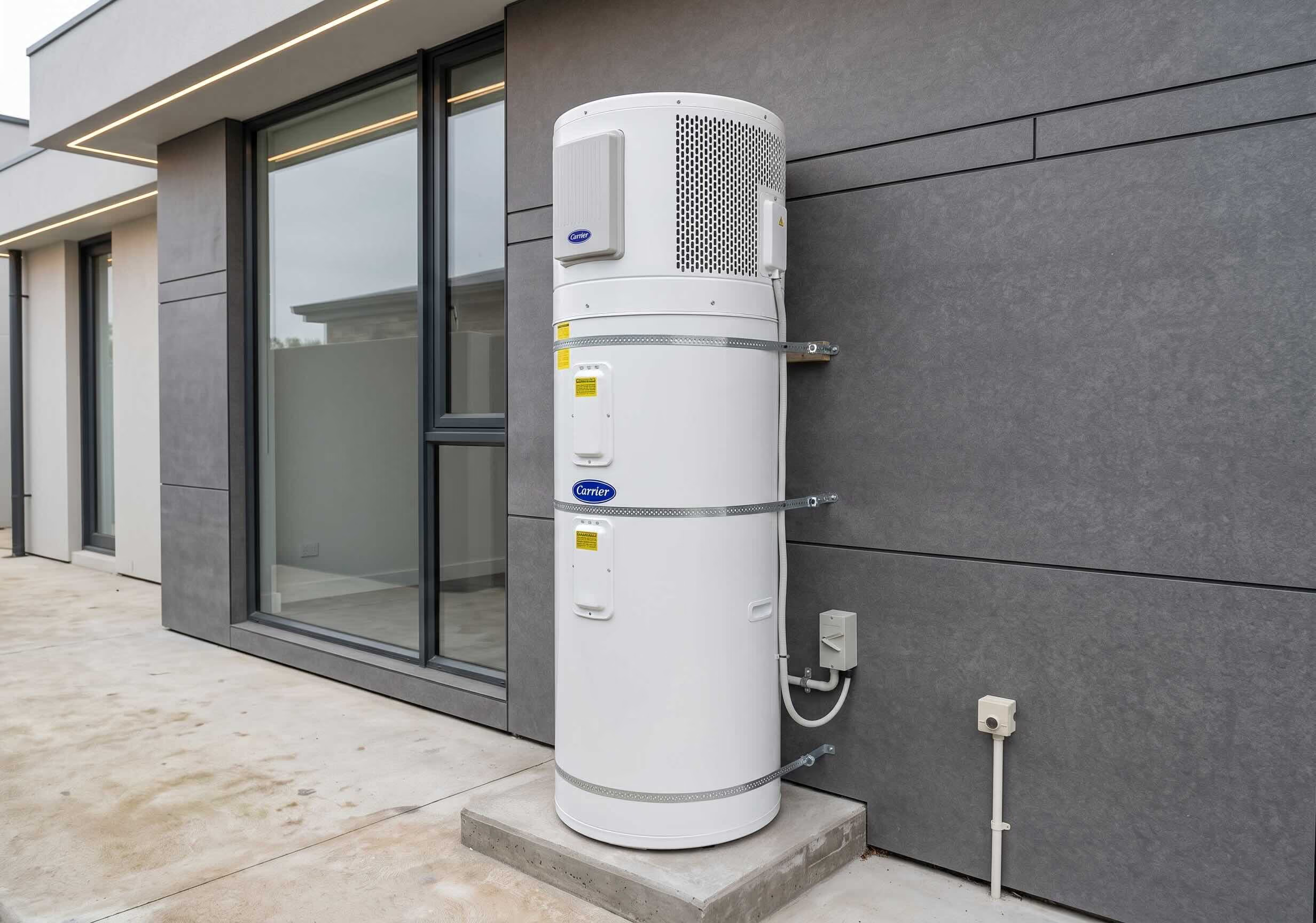
Outdoor units face a double-edged sword. Not only are they dealing with internal water chemistry, but they are also subject to external temperature fluctuations that cause the tank to expand and contract. This mechanical stress can wear down internal linings faster. For outdoor cylinders, I recommend an inspection every 3 to 4 years to ensure the environment hasn't accelerated the anode's depletion.
Indoor cylinders generally live a "cushier" life, but don't let that fool you. If you have hard water, your indoor anode can still disappear in record time. Because a leaking indoor tank can cause thousands of dollars in flooring and cabinetry damage, the anode is your cheapest insurance policy against a flooded laundry or kitchen.
The Bottom Line: Checking your anode is a quick, affordable maintenance task—replacing a whole hot water system because of a rusted-out tank is a costly mistake!