Get a FREE, No-Obligation quote
We’ll get back to you promptly with specialist advice — and a great price.
Emergency or you’d rather a phone chat? Call 0800 468 928
* Required

Talk to the specialists

0800 468 928

We’ll get back to you promptly with specialist advice — and a great price.
Emergency or you’d rather a phone chat? Call 0800 468 928

If your laundry room feels like a sauna or your hallway closet is being held hostage by a giant copper tank, you’ve likely looked at that bulky hot water cylinder and wondered: Does this thing really need to live with me?
The short answer is no. Moving your hot water system to an external wall is becoming a go-to move for homeowners looking to reclaim their floor plan. Here are the top five reasons to give your cylinder the outdoor treatment.
In modern housing, every square meter counts. A standard hot water cylinder occupies roughly 0.5 to 1.5 m2 of floor space. While that sounds small, it’s usually located in a prime area like a kitchen, laundry, or central hallway.
Christchurch people know that crazy natural events happen, and those events can rupture water cylinders. Plus, eventually, tanks corrode, or valves fail. When a cylinder "let's go" inside your home, it can cause catastrophic damage to flooring, drywall, and cabinetry before you even notice the leak.
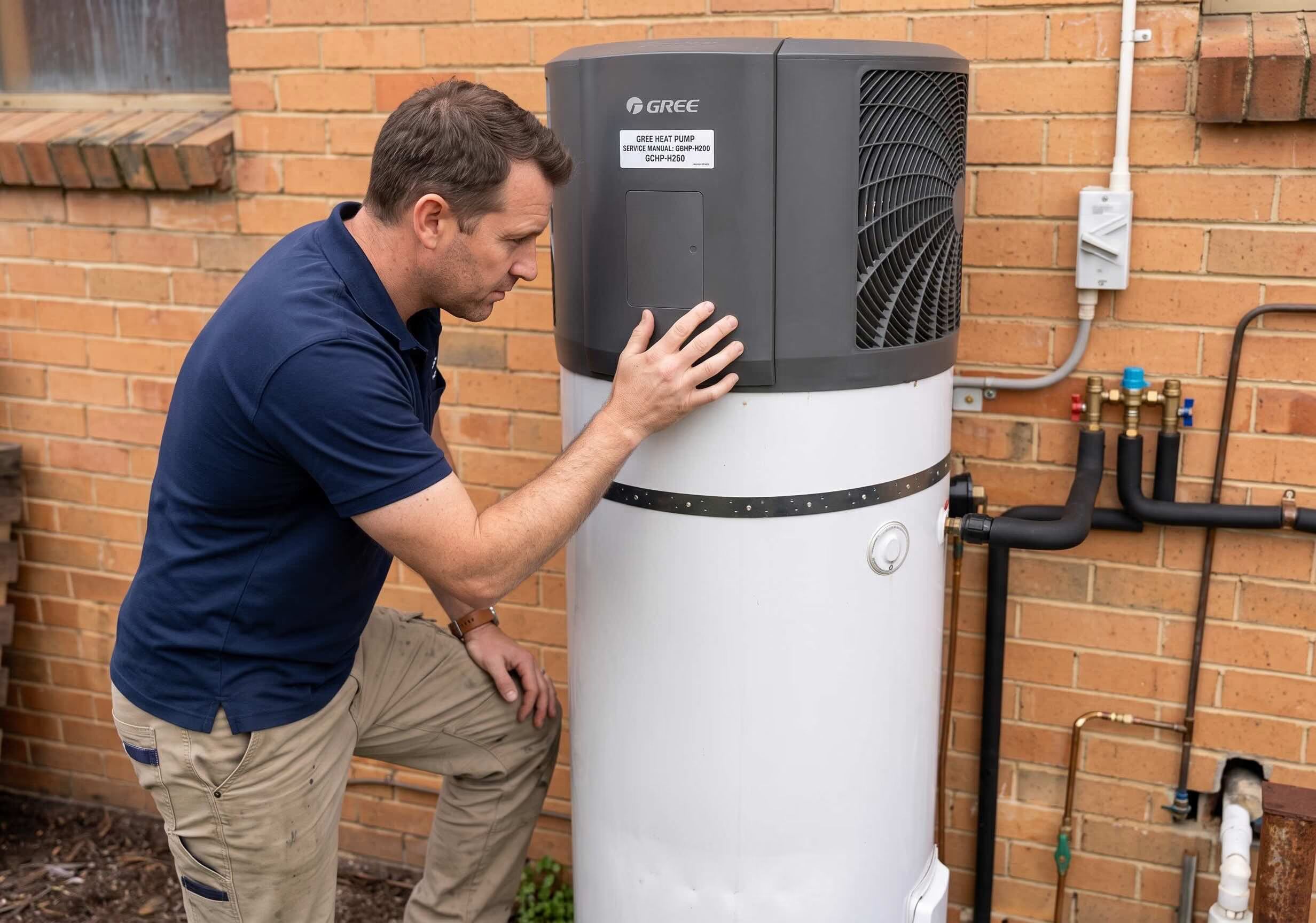
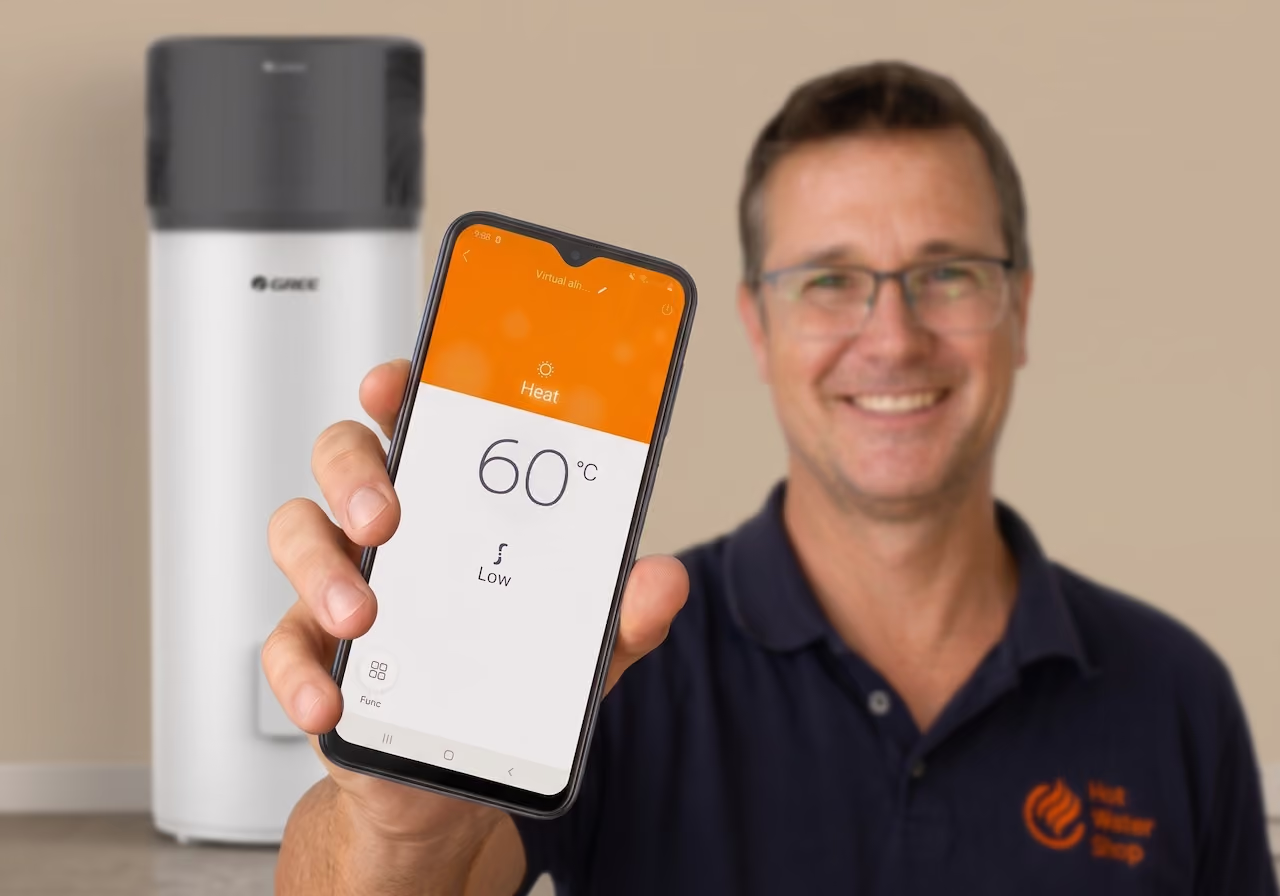
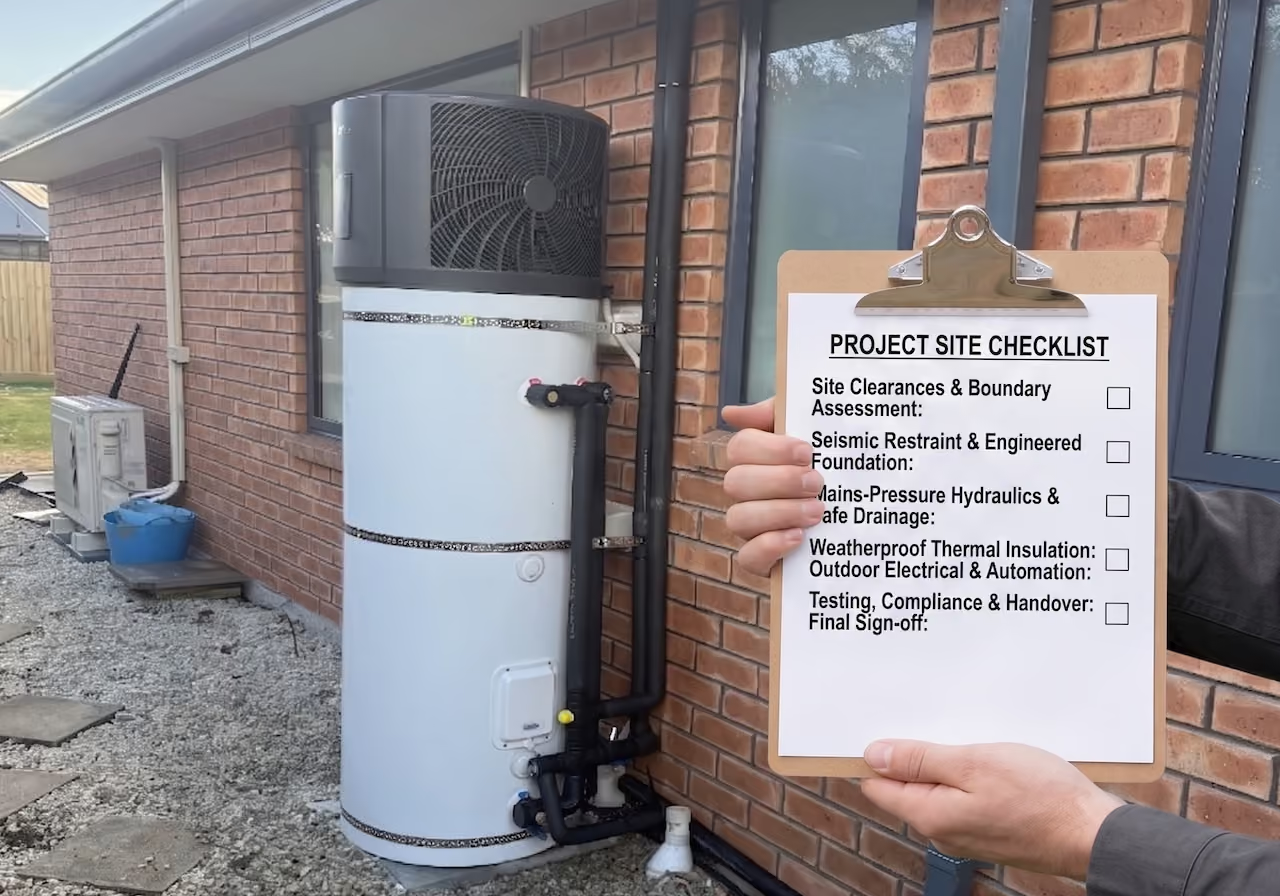
If you are moving your cylinder outside, you are likely upgrading to a mains pressure tank or a heat pump water heater.
Plumbers love outdoor units. When a cylinder is tucked away in a tight cupboard, it can take hours just to gain access, often requiring the removal of doors or shelving.
While standard electric cylinders are silent, the newer, high-efficiency heat pump hot water systems use a fan and compressor that generate a steady hum.